MARK WYNNE
Chair

LYNDON SETTLE
Chief Executive Officer
Quayside faced real pressure this year, on our mandate, our portfolio, and our governance. Geopolitical uncertainty, local government reform, a strained national economy, a tight property market, and the Bay of Plenty Regional Council’s Long Term Plan Amendment all made for a difficult operating environment.
At the same time, it brought renewed attention to the scale and importance of the fund we steward. The Bay of Plenty holds an asset many regions envy. That comes with responsibility: protect it, grow it, and make sure it keeps delivering for our region.
Quayside’s mandate as stewards of a commercially focused, intergenerational, diversified fund anchored us this year. Our job is to preserve and grow the fund’s real capital base while delivering a stable, enduring dividend for the Bay of Plenty. It means thinking beyond short-term cycles, balancing today’s distribution needs against the responsibility to protect capital for future generations, and managing complexity, risk, cost, and opportunity across the portfolio with discipline.
A big focus this year was strengthening the systems that support long-term decision-making. The Reference Portfolio continued to bed in, and improved reporting now gives us a clearer view of performance, risk, and strategic alignment. We also established new Treasury and Distribution policies, for a more consistent and transparent approach to managing the fund.
The Distribution Policy connects closely to our Treasury Policy and Statement of Investment Policy and Objectives, supporting a sustainable, growing distribution to our shareholder while protecting the fund’s intergenerational nature. We explain how distribution levels are determined later in this report. This year, Quayside delivered a total distribution of $54.2 million to Council, including a $6.2 million special dividend, whilst also servicing the Perpetual Preference Share of $9.0 million and associated costs on behalf of Council.
Cost discipline mattered too. We commissioned an independent review of our Cost to Serve and Total Expense Ratio, providing a fuller view of both Quayside’s direct operating costs and the fees embedded within externally managed investments. The review found that the Investment Portfolio’s overall cost structure was in line with market expectations for its strategy and complexity. That’s a good result, but not a reason to ease off. As the portfolio evolves, we’ll keep reporting for transparency, accountability, and to ensure the costs stay proportionate to the value created and the responsibilities carried.
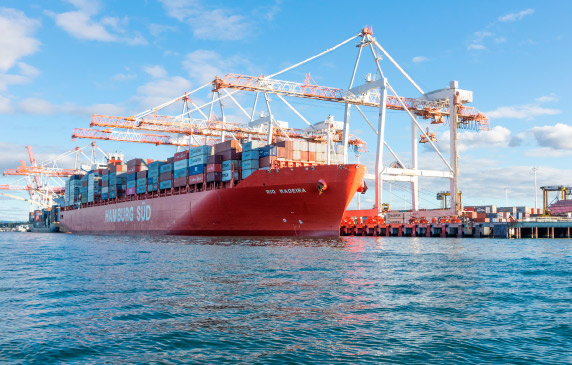
The Port of Tauranga remains an exceptional asset at the heart of Quayside’s portfolio. Its strategic infrastructure, market position, strong governance and long-term growth outlook continue to support value creation for both Quayside and the Bay of Plenty. This year, we deepened engagement with the Port, at both governance and management levels, reflecting our role as an active shareholder.
Work also continued on a potential partial divestment of our Port of Tauranga shareholding. Reducing the concentration risk associated with the Port of Tauranga shareholding remains an important strategic objective. A future transaction will be carefully timed to optimise long-term value for the fund and its beneficiaries. By realising and reinvesting the proceeds into a diversified portfolio, Quayside will improve the resilience and sustainability of the intergenerational benefits for the Bay of Plenty community.
The Port continued to demonstrate the value of this approach during FY26. Quayside’s 54.14% shareholding delivered a Total Shareholder Return of 32.85%, generated approximately $65 million of dividend income and increased in value by approximately $759 million during the year. With the shareholding valued at approximately $3.3 billion at 30 June 2026, these outcomes reinforce the importance of taking a disciplined and patient approach in our divestment process, ensuring value is created for both current and future beneficiaries of the fund.
Across the Investment Portfolio, it was a strong year. The portfolio delivered significant gains, with a 14.3% 1 year return driven largely by gains in global equities and domestic equities.
There were also important developments in private markets. As a cornerstone investor in PF Olsen, we were delighted to support the merger with Forest360 this year, alongside Adamantem Capital’s Environmental Opportunities Fund. The combined business, now operating as Stand, brings together more than 75 years of experience, 200 forestry professionals, and around 480,000 hectares of forestry under management across New Zealand and Australia.
Quayside’s investment in Tauranga Crossing also continued to add value to both the portfolio and the region, with the successful completion of the Stage 3 extension. The project, representing a total investment by the Crossing of approximately $55.6 million including land, was delivered on time and within budget. The development secured Farmers as a new anchor tenant, expanding the centre’s retail offering whilst also increasing its value.
Rangiuru Business Park also continued to make progress in a challenging market. Sales interest remained steady, with circa 10 hectares now sold to businesses across horticulture and manufacturing. Development momentum continued, too. The motorway interchange and internal roads for Stage 1 are complete, and construction of future-stage roading is underway. The first vertical builds have commenced and represent substantial investment by third parties into the Park.
The development is delivering ecological outcomes too. Native wetland bird sightings at the park point to progress beyond the commercial, reflecting the wider outcomes we’re pursuing there. This initiative has also delivered substantial infrastructural resilience to the park as proven after several weather events over the past 12 months.
Health and safety remains a key focus across the Group. During the year, Quayside formalised its dedicated Health and Safety Management Framework for Rangiuru Business Park, documenting and strengthening existing practices, procedures and contractor management processes already in place. Ongoing improvements were also made through implementation of recommendations arising from the 2025 independent health and safety review.
We delivered all of this against a backdrop of real disruption. The Bay of Plenty Regional Council’s Long Term Plan Amendment consultation required significant time and resource from both management and governance, while central government’s local government reforms brought Quayside further into the spotlight and increased visibility across the wider region. Together, they’ve drawn attention to ownership, governance, structure, how the fund is used, and how it’s protected. The full impacts are still emerging, but one thing is clear: there’s strong regional and national support for preserving the fund and its ability to deliver benefits to the Bay of Plenty community for future generations into perpetuity.
Through all of this, the role of Quayside’s people has been critical. He tangata, he tangata, he tangata. It is the people, it is the people, it is the people.
It’s been a demanding year, and at times an uncertain one. What’s stood out is the commitment of a small, multidisciplinary team that cares deeply about the fund they steward, the region they live in, and the impact their work can have long term.
That sense of responsibility matters. Quayside’s work isn’t only about investment returns or annual distributions. It’s about the discipline, capability, and judgment needed to protect a regional asset of significant scale, and about making decisions today that leave future decision-makers with more options, not fewer.
As we look ahead, Quayside remains focused on its core priorities: protecting the pūtea, maintaining active ownership of key assets, strengthening portfolio resilience, and delivering sustainable value for the Bay of Plenty.
The environment will keep shifting. Reform, market cycles, and public expectations will keep testing the settings that guide the fund. Our job is to stay clear on our mandate, disciplined in our decisions, and focused on the long-term benefit this fund exists to provide. That’s the work ahead that Quayside was built to do.
READ MORE